
Child marriage is still prevalent in many countries, including Nepal, where one in four girls is affected. But there is hope: those with first-hand experience are leading the way to change things for the next generation. This includes Palsang and Menu, who themselves were married as children and who are now actively finding ways to share their belief - based on their experience - that supporting children to wait until they are adults and can choose marriage for themselves is the better way. And, critically, they are not walking this journey alone, but are receiving help in sharing their message from CarNetNepal, a network of churches and organisations that is part of the Viva Network.
(Click here for a downloadable version of this story, and at the end of this page, you will find a video from Christina Rai, speaking more about child marriage in Nepal).
Two Lost Childhoods
Palsang, a farmer, has been living in the same village community for five generations, cultivating seasonal crops and raising chickens for his livelihood. He is married to Menu, though this is the second marriage for both of them. They were each married as children - Palsang in his early teens and Menu at age 11- though those marriages did not last. Finding each other as adults, they saw similarities in their childhood histories: looking back, they realised they were compelled to assume adult responsibilities at a young age, managing household duties and agricultural work while forgoing their education and childhood experiences.
Building a New Family - But the Old Remains

Palsang and Menu have two sons, and their dream was that their own children would marry only after completing higher education and establishing stable careers. However, their elder son also entered into child marriage during his early teenage years, bringing a young bride home without parental consent. This incident profoundly affected Palsang; he recognised that child marriage practices had been normalised across generations as an accepted custom. He was determined to do something to stop something he knew was harmful - but where to start?
Things CAN be Different
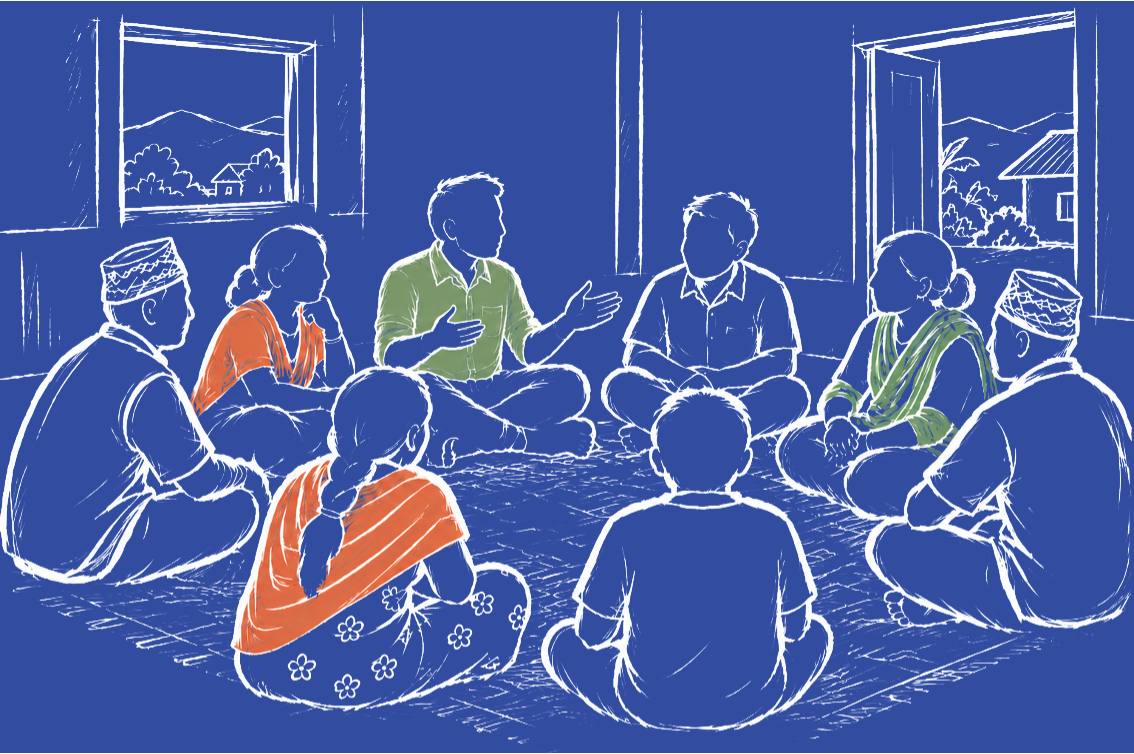
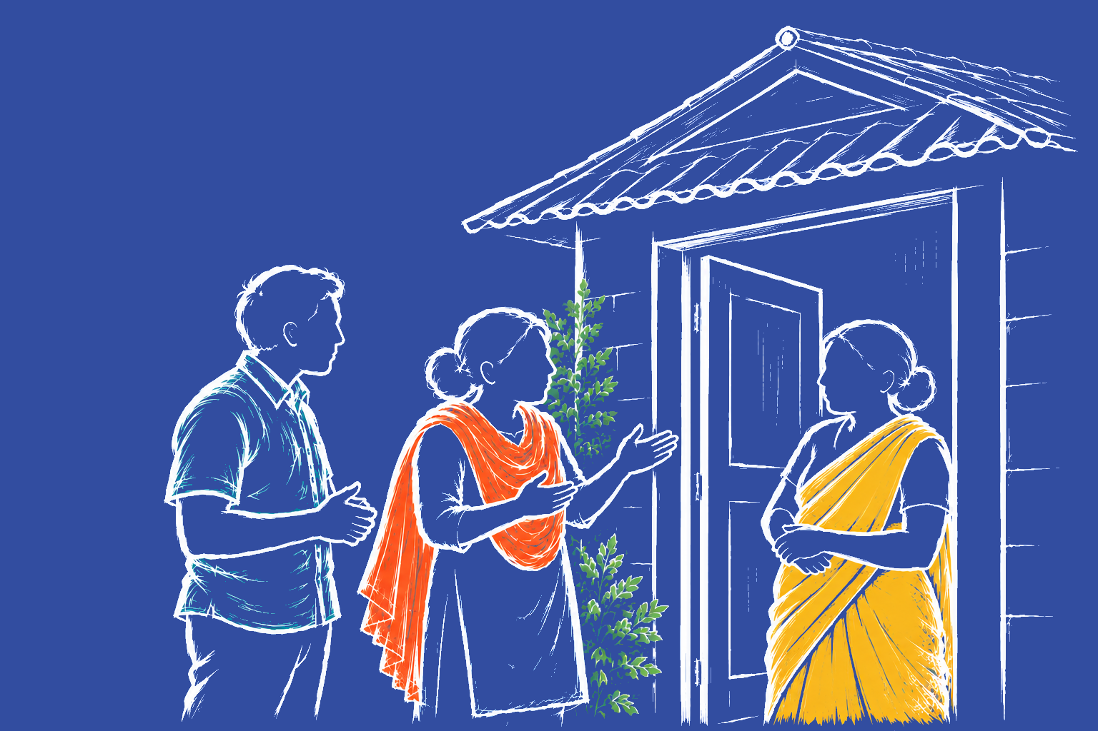
Although Palsang understood the necessity to raise awareness about the negative impact of child marriage, he initially lacked clarity on implementation strategies. Then, in 2022, he saw an opportunity: CarNetNepal, a network of churches, initiated a child protection initiative in his village and established a Child Protection Vigilant Group comprising concerned community members. Palsang joined and, alongside fellow group members, received comprehensive training on child rights and child protection. He was even named the group’s coordinator, and, at Palsang's initiative, specific training was conducted on child marriage and its consequences. Subsequently, a household awareness-raising programme was implemented to educate every household within the community about this critical issue. During these home-to-home visits, Palsang and Menu shared their personal experiences resulting from child marriage, thereby working to elevate community consciousness and helping people truly think about something that had been accepted as normal for years. They also advised their son and his wife on the importance of living apart until they legally reached marriageable age and created an environment for them to pursue their education.
Shedding Light in the Darkness
Palsang also realised that people were acting not only out of tradition but also out of ignorance: the legal age of marriage in Nepal is 20 years for both men and women, with no exceptions for parental consent, pregnancy, or religious custom. This fact was not known to numerous religious leaders from diverse faith traditions, and yet they had considerable influence in their role in facilitating child marriages. Many were unknowingly permitting and promoting an unlawful practice.
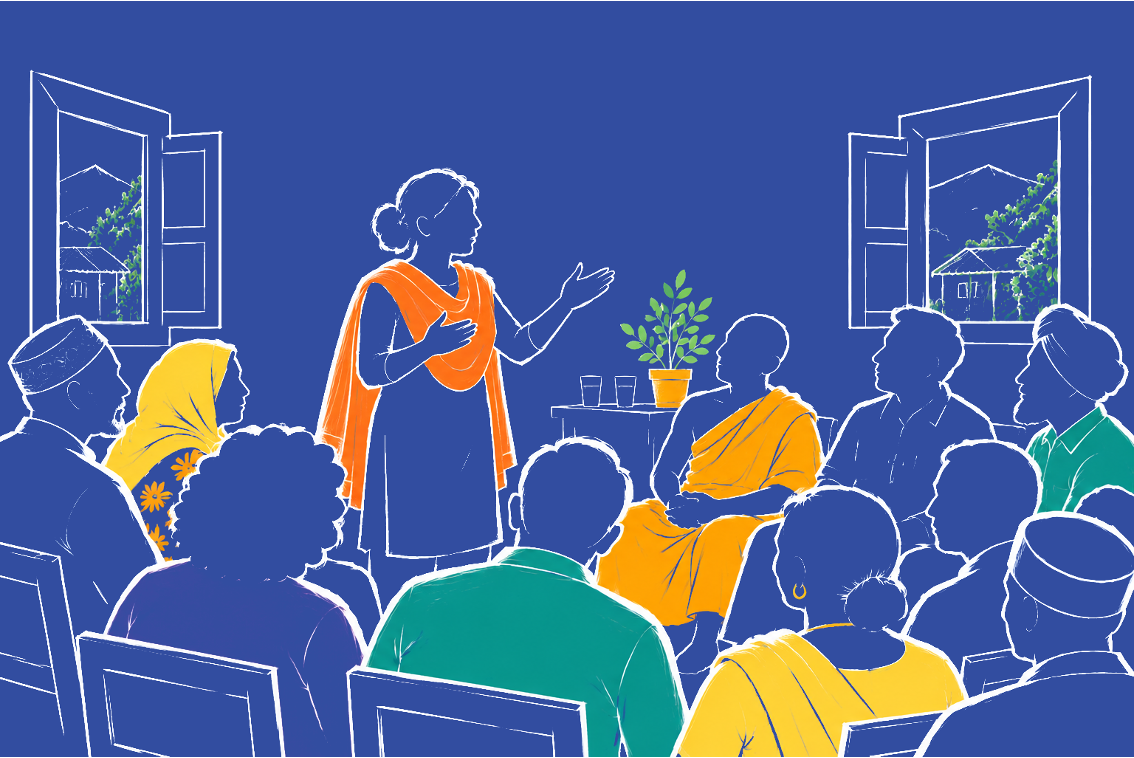
Palsang identified this significant gap and, for the first time, organised a single-day awareness programme in his village, inviting religious leaders from multiple faith communities to learn about child marriage and relevant legal provisions. Using his native language, Tamang, to speak with these community and faith leaders, Palsang was exactly the right person for the task: a respected man who understood the tradition and was equipped not only with his experience but also with knowledge of children’s rights passed on to him in the CarNetNepal training.
Palsang and his wife Menu continue to engage in awareness-raising efforts concerning child marriage throughout their community, wanting people to understand there is another - and better - way. They have a big dream: that their village will achieve freedom from child marriage and that no other individual will experience the hardships and challenges they endured as a consequence of this practice.
From a Village in Nepal to the World
At Viva, it's a privilege to profile the amazing work CarNetNepal is doing, supporting Palsang and Menu to actively protect children and equip other adults to do the same. As CarNet trained them, they are now training others - but the impact doesn’t stop there.
Part of Viva’s role is to support individual networks, with coaches supporting networks in three regions - Asia, Africa and Latin America. But another critical part of our strategy is connecting networks.


This is currently done through online communities of practice and regional gatherings, where network leaders receive encouragement and inspiration from peers who lead networks in other countries. They can also learn about best practices and collective action programmes that work in one community and see whether such an activity would be an appropriate response to problems facing children in their own context. Child marriage is tragically a global issue: every year, according to UNICEF, at least 12 million girls around the world are married before their 18th birthday - meaning that the experiences of CarNetNepal, and examples from Palsang and Menu, could be extremely relevant to many other Viva Network members.
There is also a chance to share on platforms that reach a wider audience. Christina Rai from CarNetNepal presented on child marriage at a recent Cutting Edge webinar, attended not only by Viva Network members but also by people from multiple other organisations (after watching the video below, you can access all the material from this webinar here).
This is one of our strategies: as Viva inspires, equips, and connects networks, important messages about child protection and wellbeing will reach more people around the world, bringing more impact to more children.