
Phil Green, Viva’s CEO, wrote this article to mark 30 years of Viva helping people come together for children.
The world has changed a lot over the past three decades. The contexts in which our partner networks – and Viva – work have changed. The needs have changed. The opportunities have changed. But when it comes to Viva, three things have remained constant. It’s always been about three things:
Children at risk, churches and collaboration.
Sadly, half the world’s children will experience some form of physical, sexual or emotional violence this year – that’s more than one billion children. But churches and faith-based organisations are rooted in communities across the world. Many are already working faithfully and tirelessly to make a difference in children’s lives – and many more could be inspired and equipped to do so. And then there’s collaboration. We know that by working together, churches and organisations can make a bigger, better and longer-lasting impact in the lives of children. That’s true locally – in communities, cities and countries. But it’s also true globally. In Viva’s early years, both kinds of collaboration were really important – local and global – and as we approach our 30th birthday, that idea is once again at the heart of our thinking.
I recently asked Patrick McDonald, Viva’s founder, how major global events – 9/11, wars, financial crises and pandemics – had affected Viva. His response was, in many ways, not as much as you might think. Because through it all, on the ground, in communities across the world, the people of God kept faithfully serving children. I was struck by that recently while speaking with a Viva team member based in Cuba. It’s a country in crisis – and as so often happens, children are bearing the brunt of that crisis. Yet despite their own struggles, the people of God are stepping up to do whatever they can to support children at risk. So, attempting to summarise 30 years is risky! But as we celebrate the past and look to the future, let me simplify enormously and tell the story of Viva in three decades.
Decade 1 - Building a movement
The first decade saw the rapid building of a movement. And it’s remarkable how God worked through a small but rapidly growing band of volunteer pioneers. People were gathered together – initially with a focus on Latin America – to ask a simple question: how can we help more children at risk?
There were regional gatherings and country gatherings, and from these, networks began to emerge across Latin America – with El Salvador officially becoming the first.
It wasn’t long before the idea began taking root globally.
At the same time, Viva – driven in no small part by Patrick’s tenacity – was helping the global Church think more seriously about children at risk. Working with organisations such as Compassion, Viva helped develop a robust understanding of children at risk, combining theological inspiration with the best of child development thinking and practice. Some things that began then continue today.
Cutting Edge conferences brought together grassroots practitioners, academics and global organisations to inspire, equip and connect people working for children. Last year, we relaunched Cutting Edge online.
Academic rigour was also important. Early collaboration with the Oxford Centre for Mission Studies helped put children at risk firmly onto the global mission agenda.
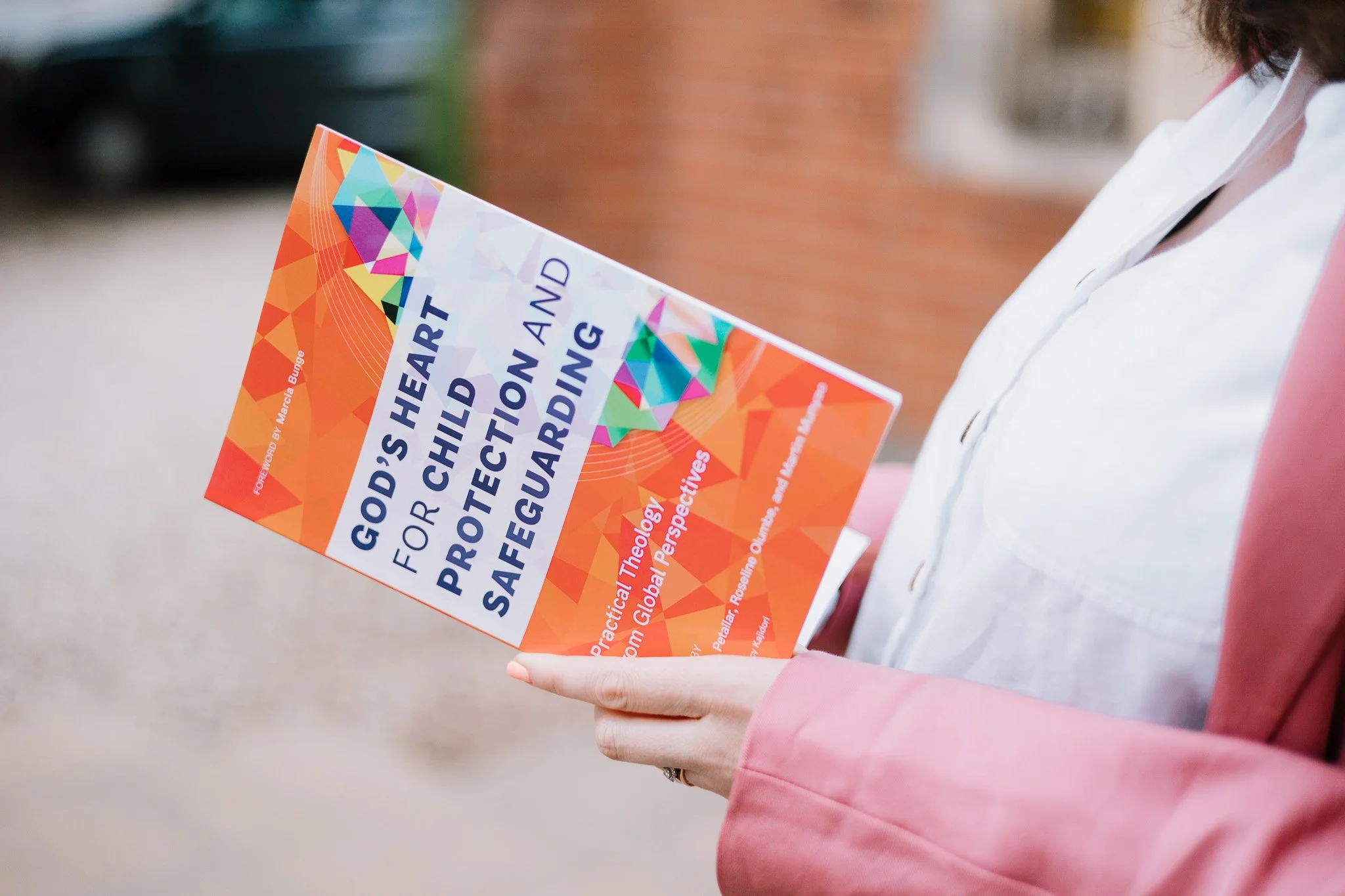
And in recent years we have re-engaged with this space, thanks significantly to the work of our theology and practice researcher, Lucy Kajidori – including the publication of God’s Heart for Children and God’s Heart for Child Protection and Safeguarding.
So, Decade 1 was about building a movement – connecting people around a shared vision for children.
Decade 2 - Developing the model
As that movement matured, something really important began to happen. All over the world, churches and organisations were learning what it actually meant to work together. And from that experience, a model began to emerge.
Today, localisation, organisational capacity building and collective impact are buzzwords in international development. For Viva and our partner networks, they’re things we’ve been learning about and practising for 30 years.
We saw that when churches and organisations connect, they understand their communities better. They can reduce duplication, identify gaps and recognise that they are part of something bigger. But connection alone isn't enough.
So, building on pilot studies that were carried out in four networks, in the mid-2000s Viva developed the Quality Improvement System – a two-year programme designed for a network setting that enabled churches and locally-led organisations to improve the quality of their work in areas such as governance, safeguarding, planning, financial accountability and child wellbeing.
And as organisations grew stronger, they could act together.
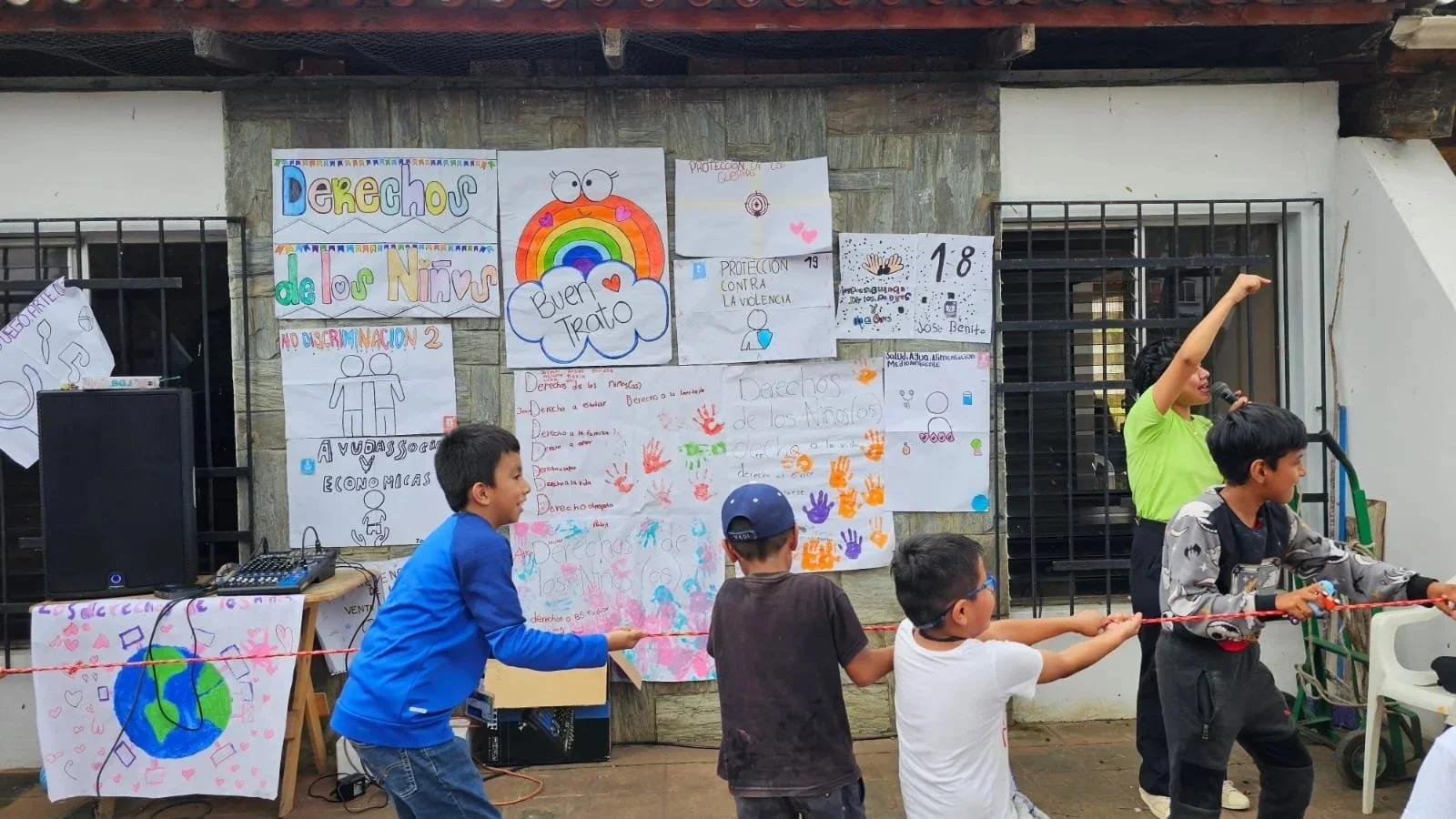
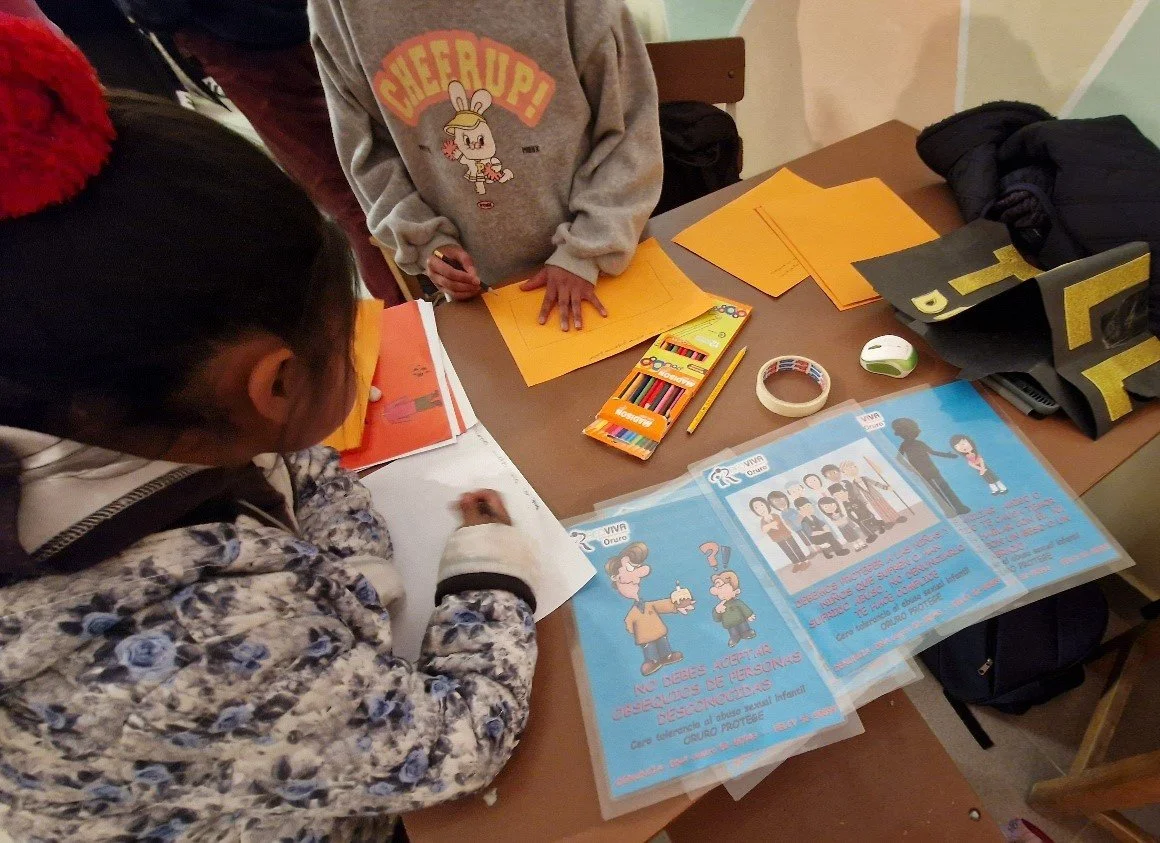
Networks developed collective programmes responding to the needs they saw around them: birth registration in Guatemala; Child Ambassadors in Uganda; Doorsteps here in Oxford; Dare to be Different and later Flourish in India; and the Good Treatment Campaign, which began in Bolivia.
And when churches and organisations acted together, something else happened.
Their collective voice grew stronger. They could begin influencing attitudes, systems, government policy and entire cities. From all this learning emerged the model that remains at the heart of Viva today:
Connection. Capacity building. Collective action. Citywide Influence.
So, Decade 2 was about developing the model – learning how collaboration could create bigger and longer-lasting change.
Decade 3 - Multiplying What Works
And that brings us to the past decade. If Decade 1 was about building a movement, and Decade 2 about developing the model, Decade 3 has increasingly been about multiplying what works.
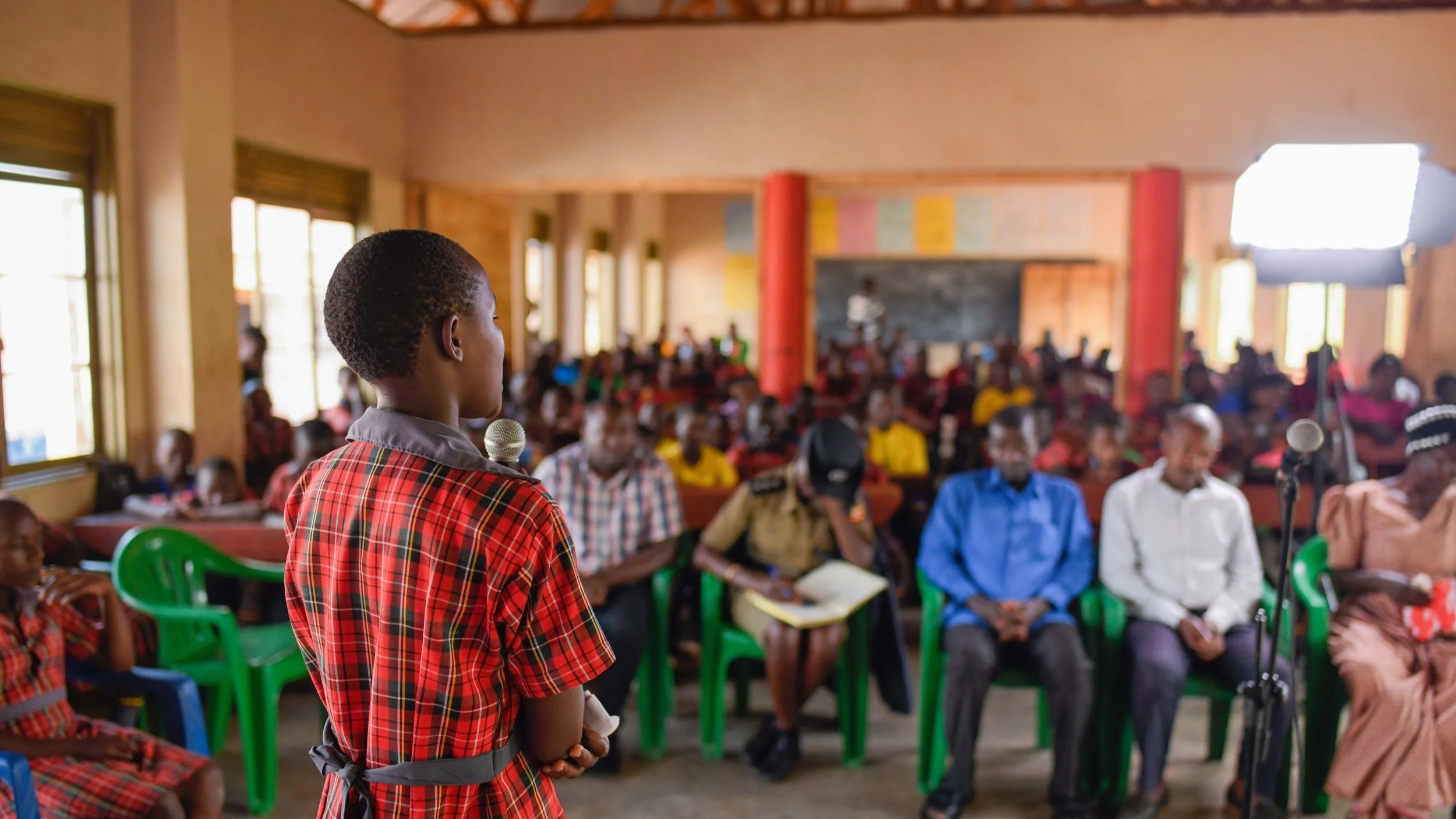
One example is the Creative Learning Centres developed by our partner network, the Children at Risk Action Network, in Uganda. These learning hubs, run by churches and organisations, were created as part of a ten-year, UK government-funded programme that impacted more than 10,000 girls, achieving excellent results in educational attainment and reducing teenage pregnancies.
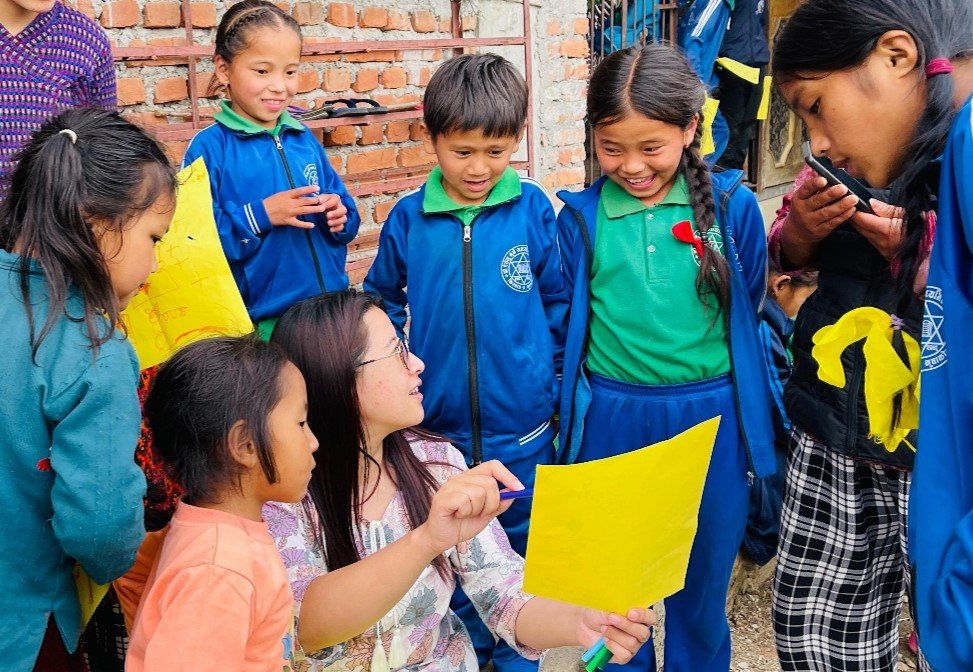
Learning from that approach – alongside the Learning Spaces developed by CarNet in Nepal – has helped shape similar approaches used by networks in places such as Myanmar and Cambodia.
Across Latin America, CAFI community centres run by churches are now supporting vulnerable children and families in areas including education, basic needs, resilience and protection. Today, 12 partner networks are running 42 CAFIs, reaching more than 6,500 children and strengthening more than 3,200 families.
And sometimes innovation has come through crisis. When COVID-19 struck in 2020, Viva and our networks rapidly developed a phone mentoring programme to support parents and children. In just six months, it reached more than 8,000 families and 26,000 children – and attracted international attention. That learning was then adapted into Resilient Families for Ukrainian families following Russia's full-scale invasion. And that, in turn, helped lay the foundations for Hope Groups – a parenting programme for families facing adversity and crisis that is now being rigorously evaluated and scaled internationally.
This is the power of being a global network of networks:
Something learned in one place can strengthen work somewhere else.
An idea developed in one network can be scaled as it is adapted by another.
What works locally can be shared globally – and then become local again.
So, Decade 3 has been about multiplication – enabling good ideas, learning and programmes to travel.
And What Now?
And now? We bring all of this experience into our 30th birthday year – the successes, certainly, but also the challenges, the mistakes and everything we have learned along the way.
And as we look ahead, in many ways our ambition is remarkably simple.
We want to see more networks, doing more for children, and achieving even more by being connected together.
We want to see new networks – catalysing new citywide collaboration for children, and supporting existing networks to plant new networks in their own countries.
We want to see active networks – helping those networks grow and thrive, access resources, and develop and deliver collective programmes that make a tangible difference in children’s lives.
And we want to see connected networks – bringing them together as a truly global network of networks, where leaders learn from one another, share what works, act together and have a stronger collective voice.
So, we inspire churches and organisations to form networks around a shared vision for children. We equip them to develop and have impact. And we connect them globally – so that together, even more becomes possible for children.
And this approach works - because the challenges facing children are too complex for any one church or organisation to solve alone.
But around the world, thousands upon thousands of churches, organisations, and people care deeply about children. Imagine what becomes possible when they don't work alone.
When they connect.
When they learn from one another.
When they act together.
When they speak with a stronger, united voice.
Thirty years ago, that idea gave birth to Viva.
Thirty years later, we believe in it more than ever.