
Helping Children and Strengthening Families by Growing, Sharing and Improving
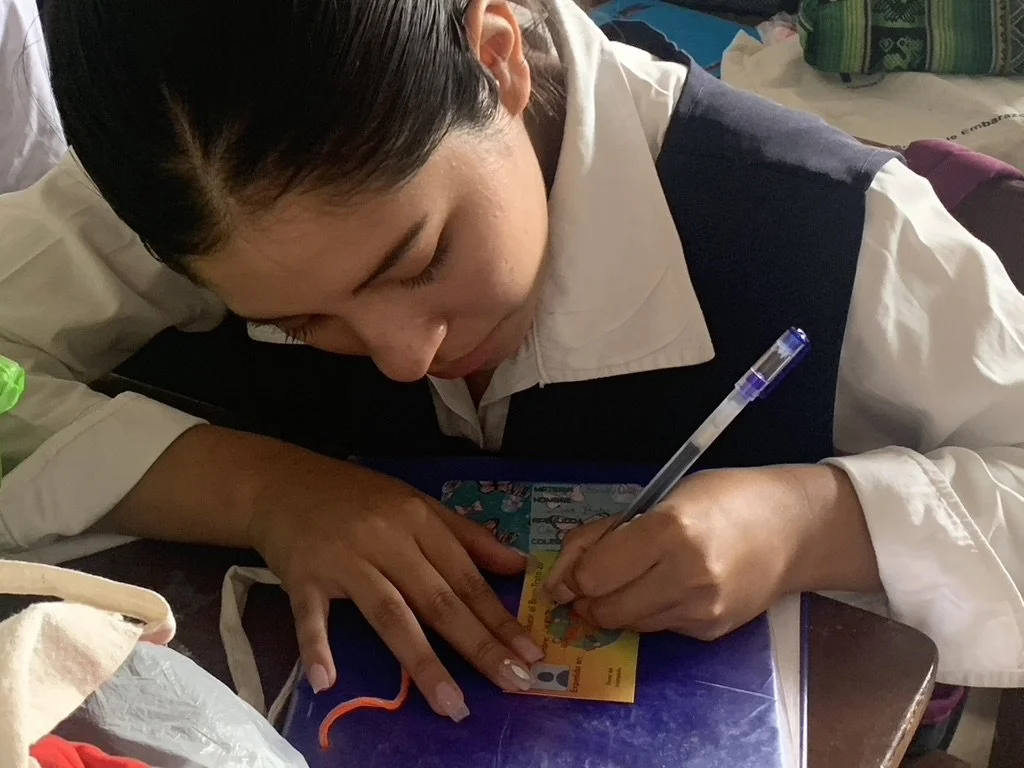
When a little girl, Luna, from Argentina (name changed), joined a CAFI informal learning centre, she didn’t speak or interact with other children, preferring to sit quietly in a corner, withdrawn and alone. After a few months at the centre, the change is remarkable: she engages with everyone, participates in activities, and is building friendships with confidence and warmth. Her journey reflects that of thousands of children and reminds us why CAFI exists - to transform lives and restore dignity. “Hi, I’m Luna. I love this little school because it helps us learn to read. The people here are so kind—they teach us math and help us a lot. I love that we’re friends and that everyone is good to us and helps us so much. Even though my mom and dad aren’t here, I know Jesus loves me, and I know I have people here who care about me and will always love me.”
Thriving Children and Stronger Families
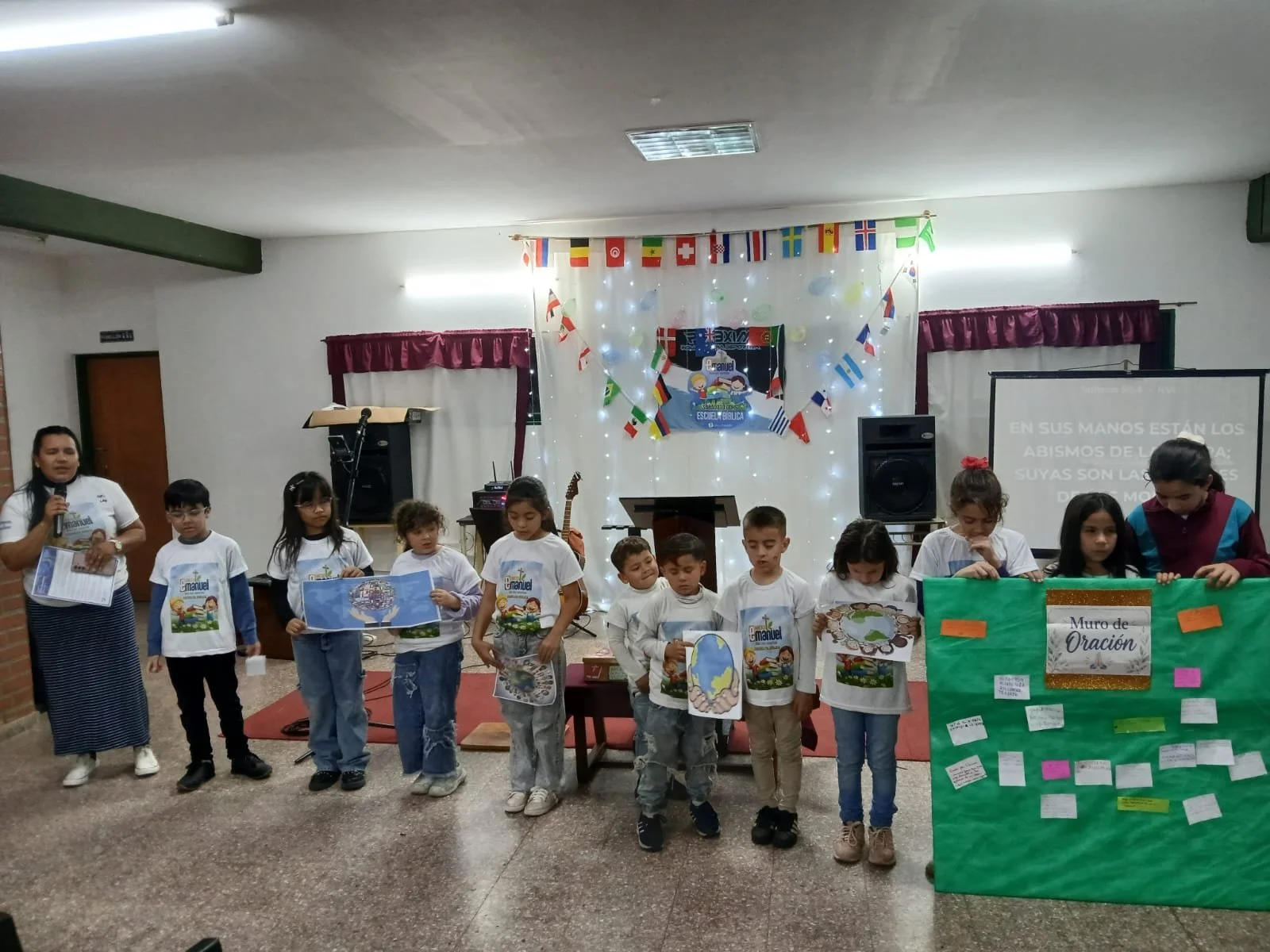
Through a funded programme, 12 partner networks in nine countries are running such community-led informal learning centres known as CAFIs or CREAFs, reaching more than 6,500 children and young people through five components: education, recreation, basic needs, resilience, and family protection/strengthening. Currently, 12 Viva-supported networks are supporting 42 CAFIs, involving 87 churches and organisations, impacting 50+ communities, and 3,200+ families in Argentina (Buenos Aires and Chaco), Paraguay (Caaguazú and Central), Brazil, Peru, Venezuela, El Salvador, Guatemala (TFC and Viva Guatemala), Costa Rica and Cuba.
While children are a core part of CAFIs, a strong component is working with families. For instance, in the past year:
Red Viva Argentina (Buenos Aires): 60 families were trained in positive parenting.
In Guatemala (TFC): 40 mothers were trained in caring for children.
Red Viva Paraguay – Central: 182 families were served with training and support.
Working with families is particularly important when it comes to child safety and wellbeing. Zuzana, a volunteer from Paraguay, emphasised that working with mothers alongside children has multiplied the impact. The network is now planning to strengthen this approach by creating Family Days to deepen positive change and reduce violence. “Our work aims to build a culture of respect and emotional well-being. At first, we saw many violent attitudes among children. Today, we see transformed lives—in children, mothers, and families.”
Growing
The CAFI programme has been defined by rapid growth. From 23 CAFIs running in 2024 to 42 in 2025 - an 82.6% increase - it is clear that the model is both scalable and sustainable. This expansion was driven by strong local ownership, partnerships, and fundraising efforts. Networks have increasingly mobilised volunteers, formed partnerships with universities, governments, and businesses, and developed local fundraising strategies to reduce dependence on external funding. For instance, networks such as Chaco (Argentina) and Caaguazú (Paraguay) have partnered with the organisation Alfalit, which provides literacy support for adults and children. When shared with others, these examples have been adopted across networks, leading to a database of potential partners and alliance models that complement and strengthen the five CAFI components.
Sharing
Collaboration between networks has been central to success. By sharing methodologies and best practices, networks improved program quality and consistency across countries. As the leader of the network in El Salvador shared, “Our activities have improved 100% by learning from the other networks.” This collaborative model has created a dynamic ecosystem where innovation and adaptation continuously strengthen impact. “Thanks to the exchange of methodologies, templates, and tools among the networks, activities became more structured, more dynamic, and better supported. This raised the standard of execution across all locations.” - Isabel, Viva Network Perú
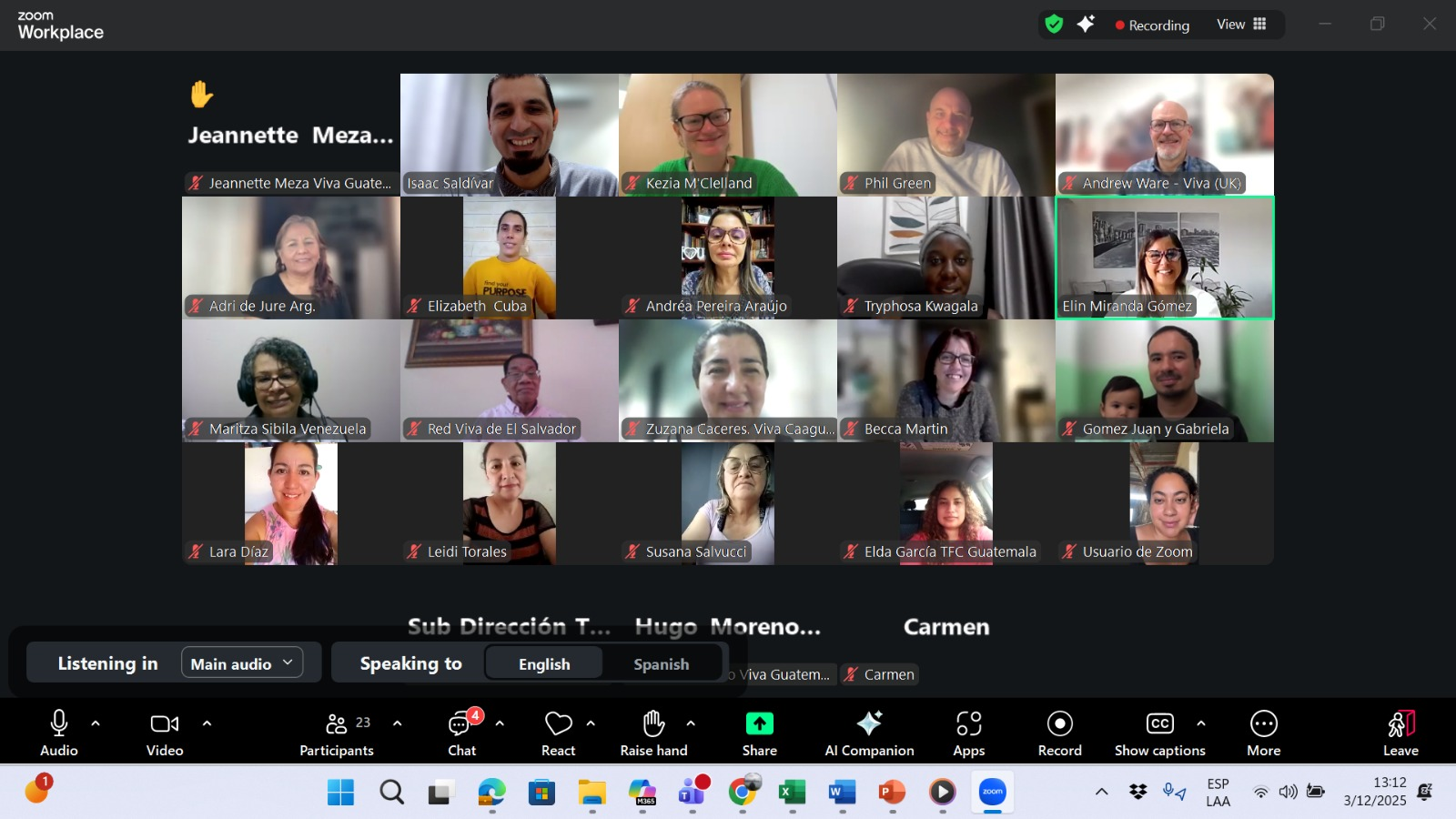
Networks not only share information and learning, but also programme activities, and increasingly have synchronised their annual plans to align with other networks. This is especially evident in joint programmes, including Viva’s Good Treatment Campaign and World Weekend of Prayer. “Collaborative work among networks has been key to improving our activities. Thanks to the exchange of ideas in online meetings, we have incorporated new methodologies and planned an annual calendar with strategic actions that strengthen awareness in churches and fundraising. Furthermore, we have adapted community dynamics shared by other networks, which increases the programme's visibility and strengthens ties with partners.” Red Viva Chaco Argentina
Improving
Networks are forward-focused, prioritising expanding work with families, addressing the needs of migrant children, and strengthening technology use while ensuring online safety. Continuous adaptation is seen as essential, and these networks have strengthened each other by sharing best practices across all components while also innovating to meet emerging needs. As Victor Hugo, Network Coordinator in Guatemala, noted: “CAFI/CREAF must be adapted each year according to field experiences in each network. It is no longer the same as it was a few years ago, and surely in one or two years, it will have significant adaptations thanks to what we learn in the field and share among all of us.”
Connected by Viva
Viva’s role has been instrumental in helping networks learn from one another, with a Senior Coach as a key figure in supporting each network leader, identifying synergies, and encouraging overlap. Viva has supported smaller subgroups working together, and also facilitated an online and in-person regional meeting in Paraguay in early 2026 (read more here). Viva Network Perú developed a fundraising plan which served as a foundation for five other networks to launch similar initiatives this year, and has been conducting training for other networks, supported by Viva - and which was opened up to all networks, not just those in Latin America and the Caribbean. This was of great encouragement as Viva continues to promote a global ‘Network of Networks’ - with churches and community-based organisations all around the world working together to make a bigger, better and longer-lasting impact in the lives of children.