
Why Learning Spaces?
There are many barriers to education in Nepal, including poverty, social exclusion, migration, child labour, parental neglect and child marriage. In addition, schools and teachers are often poorly resourced. Over two-thirds of Nepalese students enrolled in grade 1 drop out by grade 12, which is the final year of school education. Children excluded from school are at greater risk of violence, trafficking and becoming trapped in a cycle of poverty.
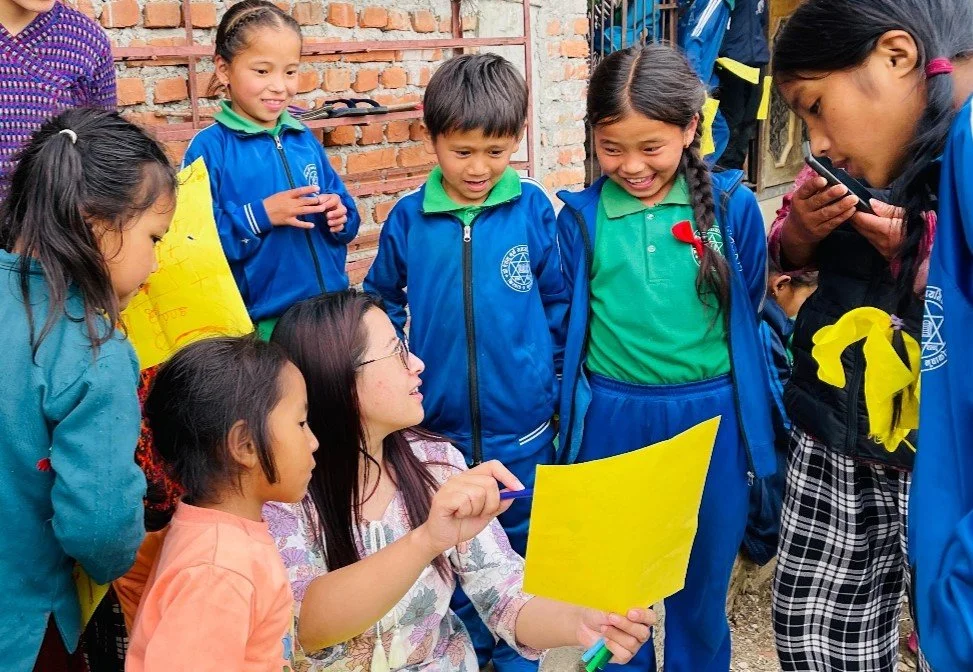
In 2008, the Children at Risk Network Nepal (CarNetNepal) envisioned a better future for vulnerable children and increased access to basic needs such as education and food. Learning Spaces were conceived to achieve this goal by combining catch-up education with the provision of a daily meal. Learning from the experience they have gained since then, CarNet’s thinking has changed, as Christina Rai, CarNet’s Network and MEAL Coordinator (pictured below left), explains:
“In those early days, the focus was primarily on academic support, functioning much more like (an) after-school tutoring programme, believing that academic achievement was key to unlocking a brighter future. But as the years unfolded, a profound realisation was made. While academic excellence is undoubtedly vital, it's just one piece of the puzzle. We recognised that children need more than just good grades to thrive. They need holistic support, nurturing not just their bodies and minds, but their hearts and spirits too. Our reason(ing) evolved and we understood that to truly empower these children, we need to provide them with the tools and resources that enable them to raise their full potential.”
Learning Spaces in Action
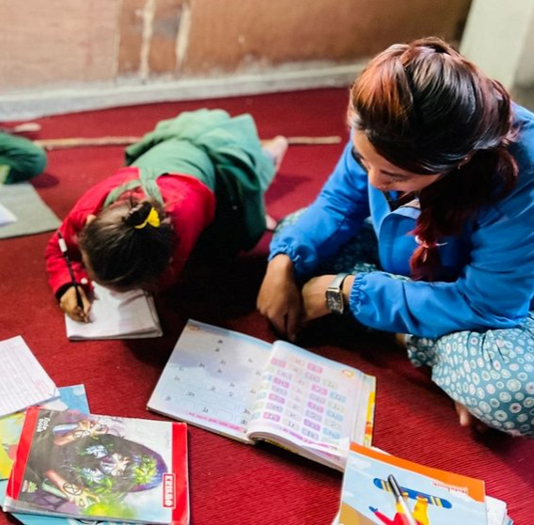
Learning Spaces are set up in collaboration with local schools and government bodies and are housed in community spaces, typically local churches. Locations are carefully chosen by CarNet based on areas of most need and suitable network member churches. A Learning Space committee is set up, and they select 20 to 25 vulnerable children to attend, based on local insights. Vitally, the committees also organise facilities, coordinate with local authorities, and run each Learning Space along with passionate mentors and volunteers. Each Learning Space accommodates children in grades 1 to 9 for two hours, six days a week. They run for at least a year, and a daily meal is provided. They offer comprehensive support to children in a safe, nurturing environment for their academic growth and provide opportunities to acquire life skills and social awareness. Children develop independent learning skills and are enabled to discover their personal talents. Resilience-building support is also offered through psychosocial activities. Importantly, parents, committee members, mentors, volunteers, educators and community members are also provided with essential training in areas such as parenting, mentoring, teaching, counselling and safeguarding.
This year, eight Learning Spaces are being run in three different districts in Nepal: Nuwakot, Rasuwa and Lalitpur, with 190 children participating directly. Viva provides some coaching and fundraising support to CarNet and, from July 2026, two more Learning Spaces will be added to a new district, Kavre.
Achieving Impact in Learning Spaces
In 2025, CarNet reported that the school attendance rates of vulnerable children depend on many local factors but range from 60–90%, with an average level of 75%. After enrolling in Learning Spaces, children regularly achieve 98–100% attendance. Academic performance has improved significantly, with 98% of children advancing to higher grades, compared to 65% before enrolment. Previously neglected, children have now gained valuable life skills, such as practising good personal hygiene, and are now respected members of their communities
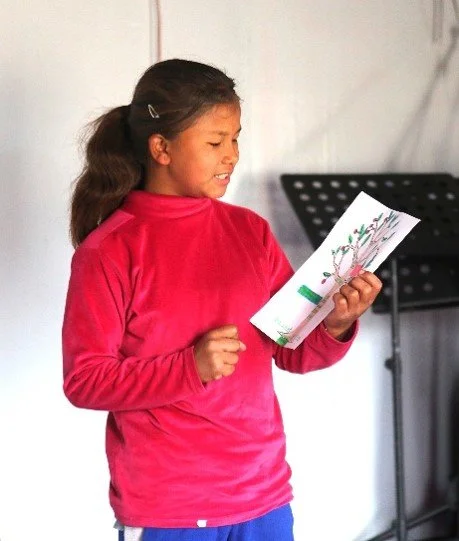
Due to poverty at home, 13-year-old Saru (pictured right) had changed schools five times before joining a Learning Space. Unsurprisingly, she had performed very poorly in exams, but a year after enrolling, she secured first place in her class and moved up a grade.
Last year, 116 parents received ‘Effective Parenting' training on keeping children safe and caring for them. In follow-up interviews, all parents questioned had made positive changes in their parenting style after the training and had developed behaviours that show they care for and love their children.
Teachers have observed that children from Learning Spaces are doing better academically than those taught using conventional methods, so some have embraced this new curriculum and improved their teaching skills. The Learning Space Handbook, which supports the curriculum, was co-developed with Viva in 2020.
Local communities have recognised the positive impact and effectiveness of Learning Spaces and have petitioned local government to support and promote them more widely. In Sindhupalchowk district in 2022, the local government granted a sizeable fund to the Learning Space after seeing its positive impact on children and the community.
The Network Effect
CarNetNepal connects 190 churches and other faith-based and child-focused organisations to promote the welfare and development of children in Nepal. They firmly believe that systemic, sustainable transformation for vulnerable children can only be achieved through collaboration and collective action. CarNet’s connections with key stakeholders are crucial to the success of Learning Spaces, including the churches that host and find mentors; the local government officials who approve each Learning Space; and other organisations that provide the required supplies and materials. CarNet helps form each Learning Space committee and trains the mentors. Mentors from different regions have found many benefits from being connected to the wider network, learning, sharing, and replicating good ideas and practices with one another as they journey together to improve the education of some of Nepal’s most excluded children.
Read more about CarNet mentors here.