
Helping at-risk children
In the Bolivian cities of La Paz, Cochabamba and Oruro, many children from poor, migrant and dysfunctional families are at risk of violence, neglect and abuse; many of them are out of school and some work on the streets. In the late 2010s, Viva developed a multi-year grant-funded programme to tackle these issues head-on. The programme provided support, opportunities and advocacy for children at risk and was highly impactful at both local and national levels. It also succeeded in creating two national laws to protect children on the streets, and at one time, the ‘Good Treatment’ advocacy campaign reached over 30,000 people. Despite the programme funding ending in 2021, city networks have continued to actively care for at-risk local children with support from Viva’s three part-time coaches. In 2025, Viva carried out a short in-situ learning review of the long-term impacts and sustainability of the programme, based on interviews and focus group discussions with network stakeholders, including churches, city institutions, partners and children and young people
Sustainable roots
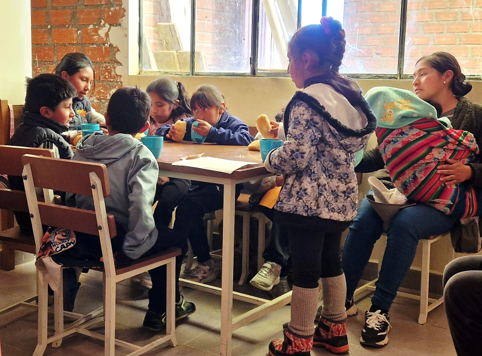
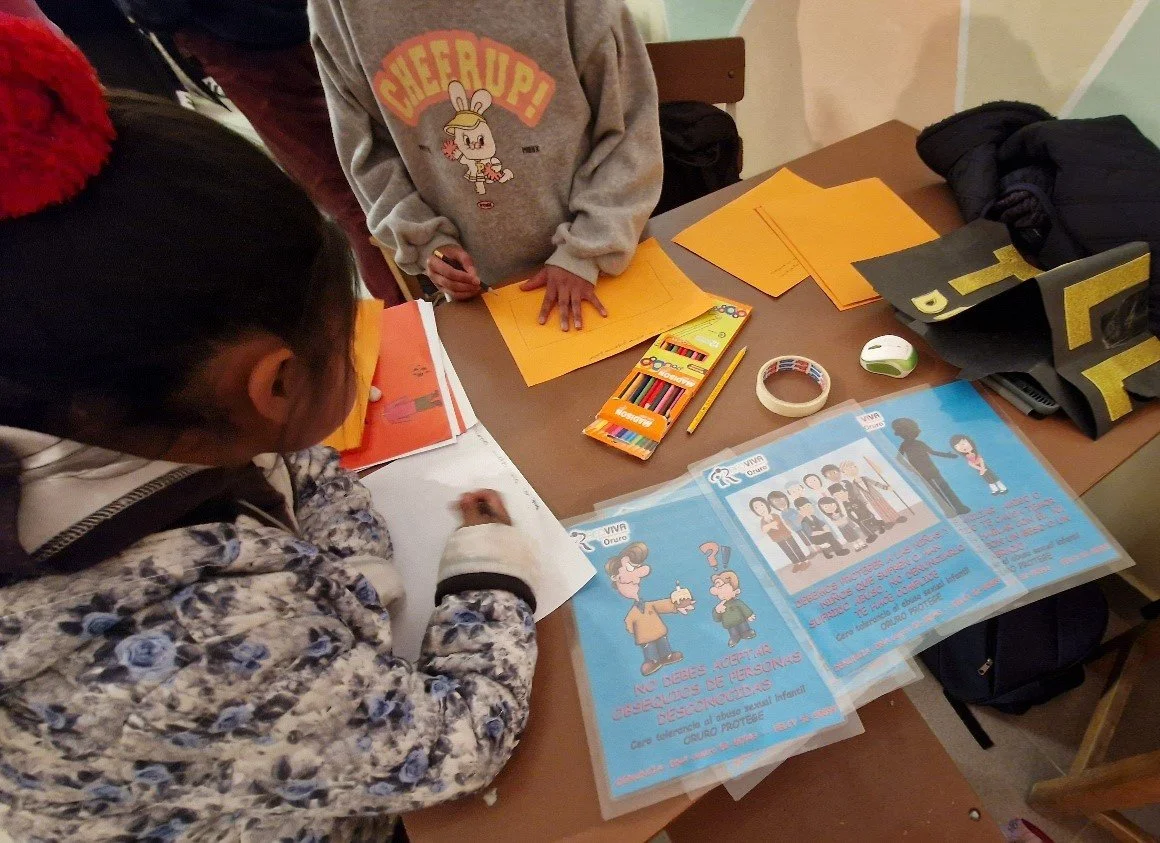
A benefit of churches being embedded in their local communities is that they have remained since the programme ended and continue to provide care for local children and families at risk. Half of the churches reported that the programme had sensitised them to the needs of children and equipped them with values-based training and tools for holistic care, which many churches have sustained. Several network churches and organisations also reported that both Viva’s ‘Quality Improvement System’ organisational strengthening course and the ‘Child Protection toolbox’ were particularly impactful in structuring and strengthening child safeguarding policy and practices. Many of them still use the tools and regularly review and update their policies and practices. In La Paz, the network also continues to work with Educational Units on the child protection programme and the Good Treatment Campaign.
Sustainable Fruit
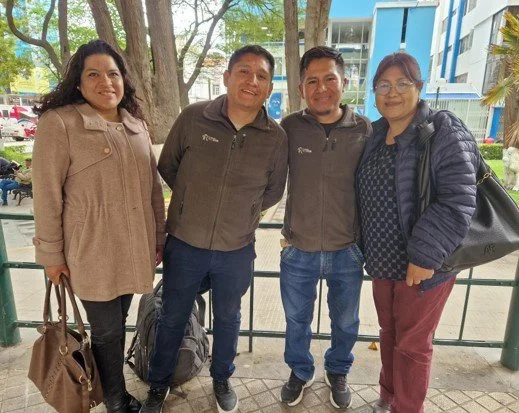
Impressively, six out of nine churches interviewed still run programme initiatives in some form, either continuously, or have more recently been inspired to restart the work with their own or other local resources. The churches still support very vulnerable children and their families, although programmes tend to be smaller and less comprehensive than they were under the Viva programme. Ongoing programmes include a prison families support initiative and Viva training programmes, particularly on child protection and leadership, with strong input from a senior church Pastor. One network still runs the ‘Good Treatment Campaign’ child rights advocacy campaign on an annual basis, and another replicates several activities that strengthen children’s resilience. Positive change from the schools' programme in La Paz was reported to have been sustained within class groups, spreading to other classes and even influencing parents.
Sustaining Resources
The church programmes are mainly self-funded, although some struggle to raise sufficient regular funds from their own congregations. A few churches have received funds from overseas donors, like large churches in the USA. Others request small subscriptions from parents or have partnered with wealthier churches in the city. The recruitment and retention of volunteers can also be challenging, particularly following the COVID pandemic, when many older volunteers became exhausted. A positive development in several churches is the emergence of a generation of young volunteers who have graduated from earlier programme phases as confident, skilled adults and want to ‘give back’.
Sustaining Advocacy Gains
Reportedly, the programme in Oruro did succeed in significantly reducing the number of children on the streets, but since then, Viva has been unable to lead and coordinate network members, and the problem has returned. Government authorities are no longer held firmly to account for upholding protection laws, and frequently changing council staff have limited capacity or shifting priorities. Nonetheless, as a result of the Viva programme, Oruro City Council still holds an annual child-focused ‘Good Treatment Campaign’ advocacy event, raising awareness of child rights across the city and surrounding provinces, and many teachers have replicated this work. Cochabamba Council have used Good Treatment Campaign materials with city bus drivers as part of their ‘safer travel for children’ campaign, and supportive government staff still work closely with the Viva network to promote child rights. An important new policy document was developed locally on the programme's foundations by a multi-agency consortium, including Viva network partners and the Municipal Committee on Children and Youth, and was recently submitted to the national government for piloting.
Overall, there was much pride in what the programme partners and network members had achieved. Viva-affiliated networks are still held in high esteem by stakeholders, with a reputation for listening to, caring for, and respecting others. As Viva continues to support the three local city networks on a smaller scale, they have remained resilient and persist in faithfully sustaining support for many children at risk and their families in difficult local contexts.