


Connecting
Just as impact is multiplied when churches and organisations work together in cities, the same is true when networks connect globally.
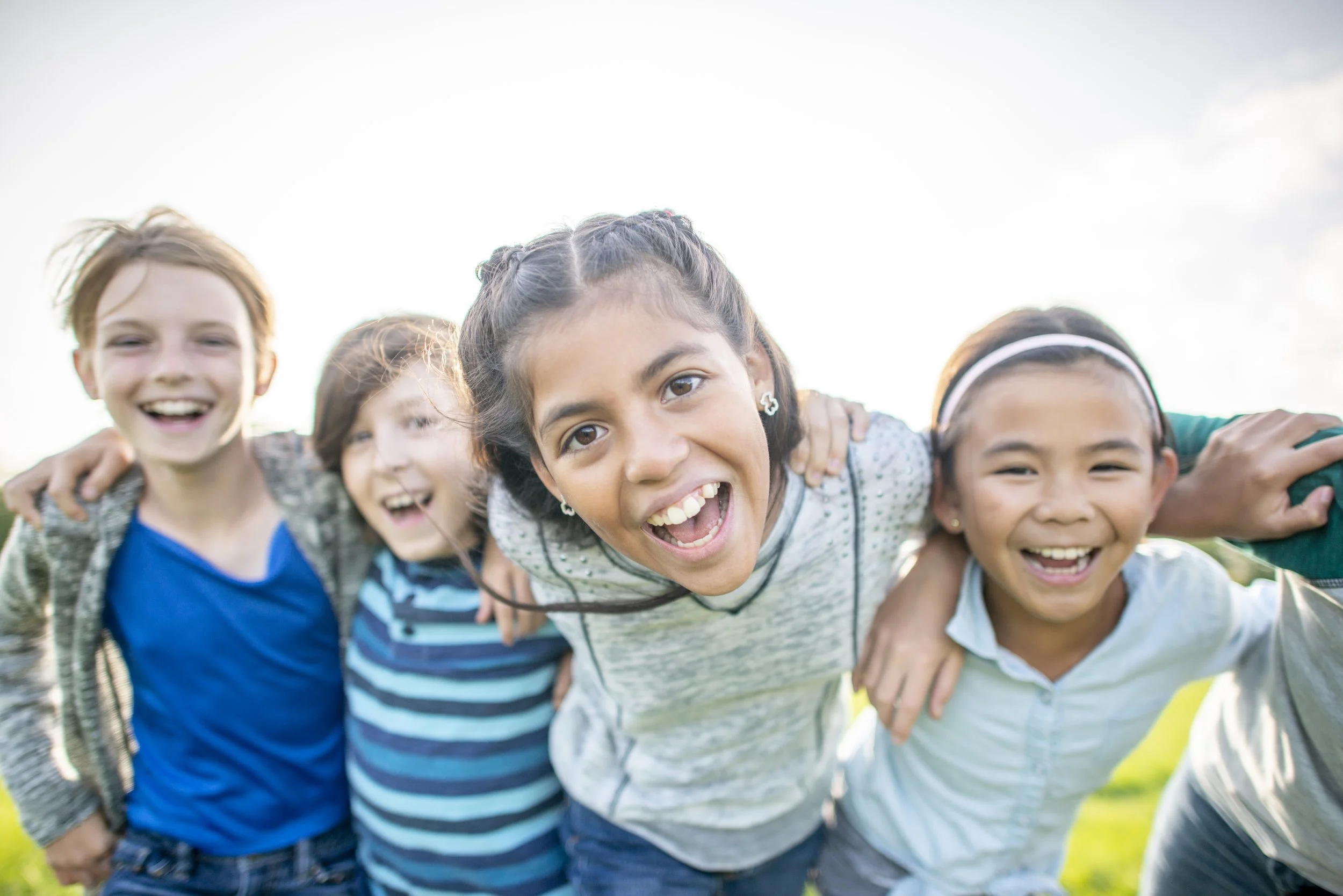

Around the world, solutions are being found to the challenges children face: one network in Latin America has learned how to help churches become safer for children, while another in Asia does well at increasing access to education.
But it is often difficult to find out what others are doing and what works (and doesn’t), creating the risk of duplication and inefficiency as everyone starts from scratch.
Viva helps change that by connecting networks globally. This allows each local network to not only share best practice and proactively learn from others, but also for all networks to advocate and act together – not dependent on Viva, but mutually interdependent.
How does Viva do this?
Viva facilitates regional gatherings, global thematic working groups, and peer learning opportunities so network leaders can wrestle with common challenges and develop new approaches together. Through these opportunities to connect, they also benefit from interacting with other people who understand the unique roles and responsibilities of network leadership.
Through Cutting Edge conferences, networks and their members can share their experiences and learn best practices from those outside the Viva Network. Viva’s involvement in global groups such as the Lausanne Children-at-Risk Issue Network and Global Child Protection Alliance means that networks that make up the Viva Network have a voice in global conversations.
And, by participating in global initiatives such as the Good Treatment Campaign and the World Weekend of Prayer, local networks can invite their churches and organisations to be part of implementing something locally that has global reach, amplifying impact for children all over the world.
Children Leading the Way
The Good Treatment Campaign began in Bolivia with a beautifully simple idea: help children tell adults how they want and need to be treated.
Today that idea is shared across countries and cultures. Children lead the campaign, encouraging parents and caregivers to make six simple commitments:
Love them,
Listen to them,
Accept them for who they are,
Support their learning,
Teach them responsibility, and
Show them how to care for the environment.
They do this in a variety of ways – marches, radio shows, or church services, with children choosing what they want to do, taking the lead in planning and participating. None of those actions sounds revolutionary on their own. But practised consistently, they can transform the relationship between a child and the adults caring for them.
And when networks around the world take the same locally developed idea and adapt it for their communities, its impact can multiply enormously.
This is the multiplier effect: Viva enables local learning to become global action.
Image is representative. Photo Credit: FatCamera (Source: istockphoto.com)