
Global Network Online Forum - February 2026
Dear all,
Thank you to everyone who joined us for our Global Network Online Forum on Wednesday, 11 February 2026. This was our first session, looking more deeply at our focus topic for the next three months: Keeping children safe online.
This year, rather than addressing a different topic each month, we are intentionally spending longer on each theme — with the hope that we come away not just informed, but equipped with practical outcomes for our networks.
Understanding the risks — and the opportunities
We began by watching three short videos offering different perspectives on online safety. Links for the first two are below (in the second, the excerpt starts at 00:34:07).
Understanding the risks — and the opportunities
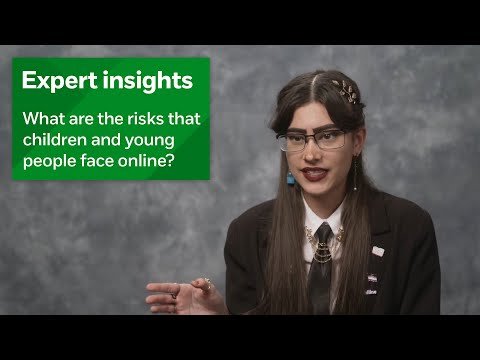
The first, from the NSPCC (UK), outlined three key areas to consider when thinking about children online:
Who they are chatting to
What they are seeing
What they are sharing
It highlighted risks such as grooming, bullying, harmful or misleading content, misinformation, and the sharing of personal data or indecent images. At the same time, it reminded us that the internet also offers opportunities — and that our role is not simply to restrict access, but to help children navigate it safely.
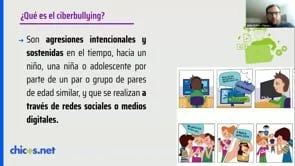
The second video, an excerpt from Chicos.net’s Cutting Edge session, focused on how adults can accompany children in the digital world: creating spaces of trust, encouraging respect and empathy online, and opening everyday conversations rather than relying only on restrictions or punishment. It emphasised collaboration between families, schools and churches in a world where the “walls” between these spaces are increasingly porous.
The third video, from South African organisation Jelly Beanz, addressed children’s exposure to pornography, stressing that removing devices is not a long-term solution. Instead, we need honest, proactive conversations, and shame-free responses when issues arise.
We also reflected on the idea of children as “digital natives” and many adults as “digital immigrants.” This challenges us not simply to control access, but to listen to and learn from young people, and strengthen our own digital understanding so that we can guide wisely.
Insights from the breakout rooms
In smaller groups, participants shared practical realities from their contexts.
A strong theme was the importance of clear parental guidance. Children often encounter distorted online “realities,” and adults need confidence to explain risks clearly — not just say something is “dangerous,” but name what that danger looks like.
There was concern about provocative and explicit content influencing children’s behaviour, but also recognition that a positive home environment plays a protective role. Managing screen time remains a struggle for many families, and setting limits must go hand in hand with relationship and dialogue.
Participants highlighted the need to equip parents — many of whom feel less digitally confident than their children. Ideas included creating simple guides to explain key digital terms and trends, and developing creative campaigns that promote responsible supervision rather than banning technology.
In several contexts, awareness of online safety remains low, schools rarely address it systematically, and clear protocols are lacking. Encouragingly, there are also emerging plans to integrate online safety education into churches, schools, and community initiatives.
What could this become?
In the final part of the forum, we looked ahead. What do we want to come away with after these three months?
There was interest in developing something more concrete — possibly even a global campaign focused on promoting positive participation and protection in online spaces. Suggestions included guidance for parents, materials for children to help them recognise risks, and adaptable resources for churches and schools.
While many online safety materials already exist, the key challenge is contextualising them for each network’s reality. As a next step, Viva will begin putting together a shared resource bank to support this, starting below:
Thank you
Thank you, as ever, for your thoughtful engagement and practical contributions. As we continue this series, we would love to keep asking:
What would meaningful progress look like for your network by the end of these three sessions?
If you were not able to make the Forum but would like to catch up with what was shared, you can view the recording here. (Passcode: 2e6GS*m4)
We look forward to continuing the conversation at our next Global Network Online Forum on Wednesday, 11th March.