
Parties that Open Doors
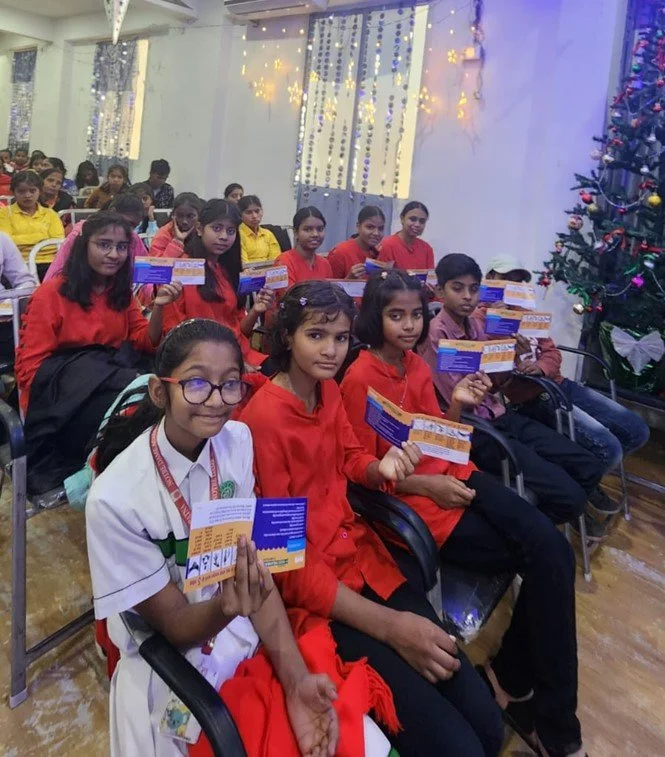
Over 6,000 to as many as 8,300 children attended a Christmas Party organised by Viva-supported networks across 33 partner networks, with significant personal benefits related to hope, safety, and dignity, as we highlighted in this article. For some children, attending was also a chance to truly be seen and to see hope for their future, as Amoon, a 12-year-old girl living in a refugee camp in Cambodia, discovered (read her inspiring confidence that her “small hands” can do great things in the future here).
There are, however, many more aspects to the Christmas party programme, relating to Viva’s strategic aims for connected and new networks, as Christmas parties are a great way for partner networks to have wider external engagement and expansion. At least 225 organisations and churches were involved in planning Christmas parties, with multiple churches coming together to run 67 events. As C3DC in the Philippines celebrates, “Overall, we are so proud of this activity as we witnessed the joy and strong sense of community among the children, to think that it was their first time meeting as they are from different churches.” Read on to find out how a simple party can open doors to greater connectedness within networks and for new work for children to begin.
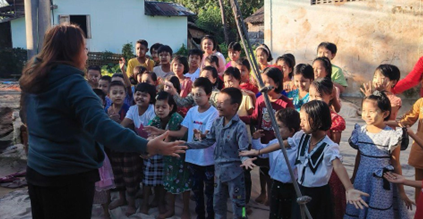
Connected Networks
Networks not only unite churches and organisations in one city, but networks also exist in multiple cities in some countries. Viva encourages working together, not in isolation, and the Christmas Parties programme emphasises this per the guidelines, which state:
The Christmas party will be a network initiative, with multiple churches/organisations working together, ideally including people who haven't worked together before, or prospective members.
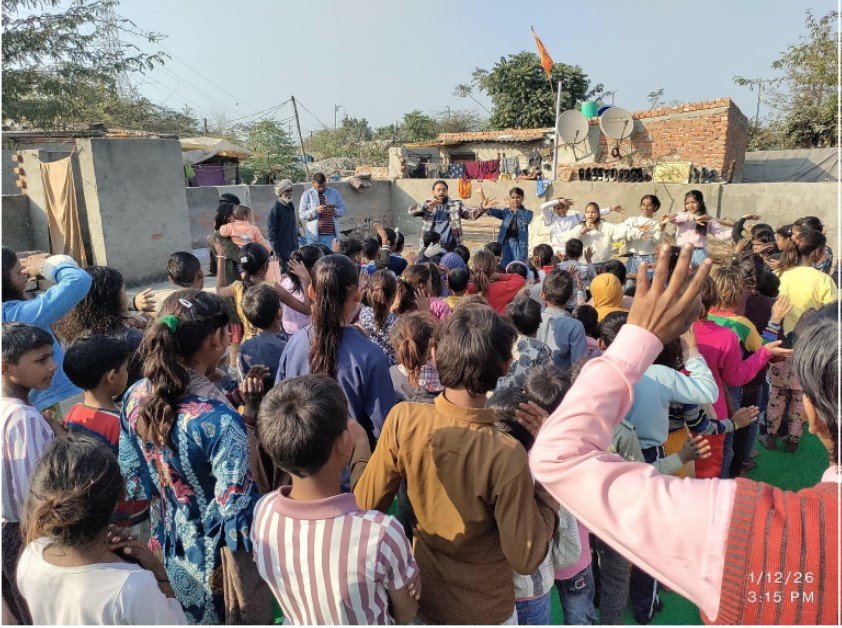
In the Delhi Movement city network, five church pastors and five volunteers were involved in planning the Christmas party, whose theme was ‘Reaching out to the community.’ Four of these church pastors were new to the city network; they are now active participants.
CarNetNepal ensured the parties were truly a group effort; before the event, meetings with five participating network members were held twice to share responsibilities and plan.
In Uganda, at two of the locations for their Christmas parties, Children at Risk Action Network (CRANE) member churches invited non-network churches to participate as a collective activity. These ‘cluster parties’ worked well: “The clusters planning and inviting community churches that are not part of the network was a great way to reach more children than the network churches usually reach.”
Unreached Children
What happened in CRANE is exactly what Viva hopes for: using Christmas Parties as a platform to meet unreached children. In the application process, we give guidance that:
There will be a clear priority of reaching out to new children
Over 1,500 of the children who attended a Viva-supported Christmas Party last year had never been in contact with a network, representing 25% of all the children. Unreached children not only experience positive outcomes from the event itself but can also become aware of other opportunities for participation and be integrated into programmes that will benefit them.
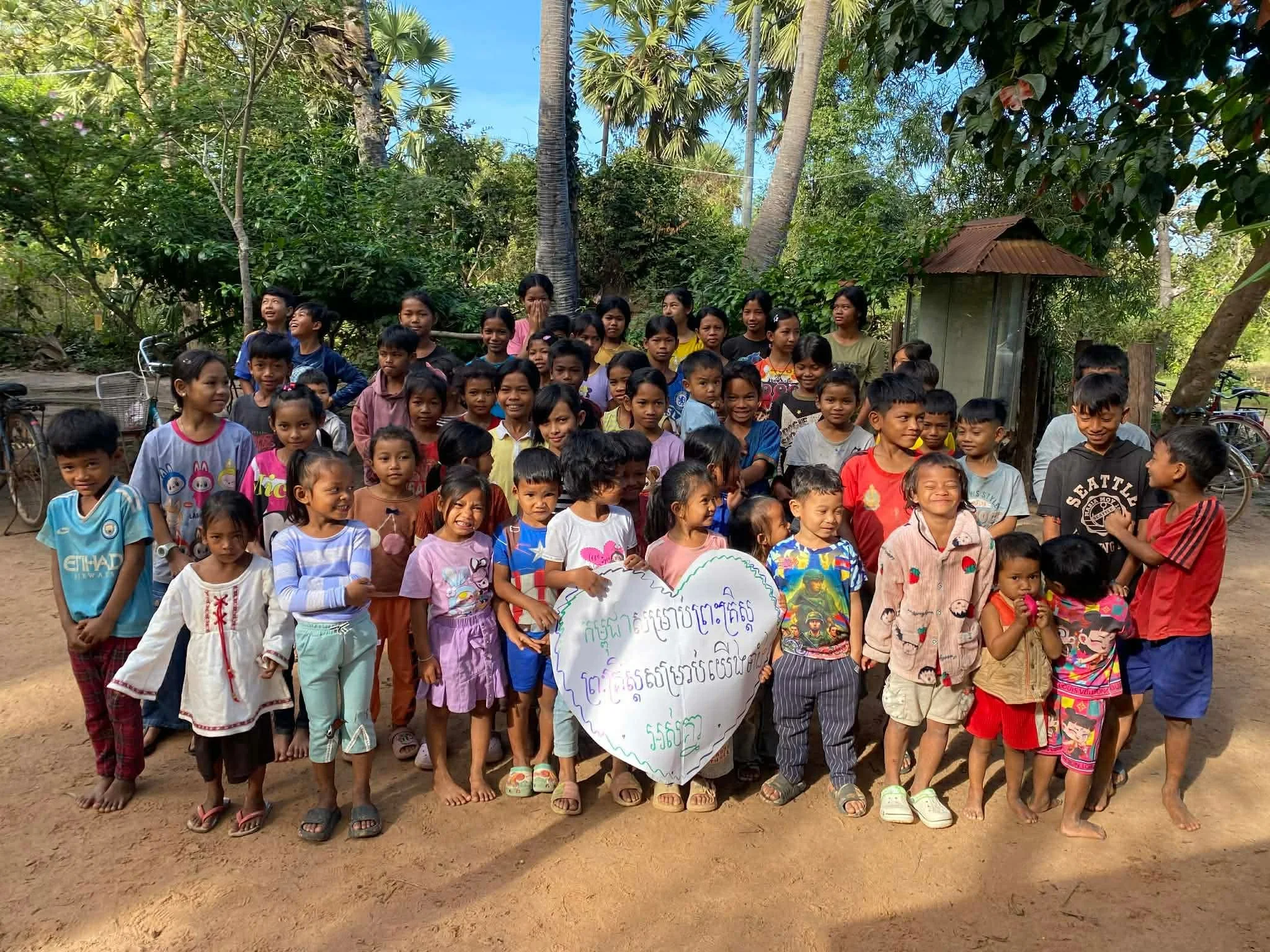
“Aside from those target kids within the network, we extend the gift to some children in other areas whom we are planning to connect. This was the unchurched, and we’ve been praying for them for many years, even long before BCMN was born.” - Bicol Children’s Ministries Network, Philippines.
In the Delhi Movement network, India, 38 children previously unreached attended - and all 38 children are now regular at a learning centre.
At the party run by Peace Team Cambodia, one group of such children, who had no previous contact with the network, were reported as saying, “We are so excited and appreciate this event. The children at this event were very welcoming, respectful, and friendly.”
Network Presence
The Christmas parties are often run in a central location chosen by the network, and bring many different groups together. The network leader of Together For Children Guatemala noted that, “The event had a positive impact on the community by bringing families and local leaders together in a space that serves the community. Activities like this strengthen the network’s presence in the area and generate interest from new churches and organisations.”
In many cases, networks have to request permission to run events or use their parties as advocacy platforms. This helps the network to connect with local bodies and authorities. “This event enabled our young children and young people to practice their leadership, coordination with the municipal and barangay local government units, and collaboration with other youth, which strengthened shared ownership of the event.” - Eastern Samar Child’s Rights Advocate Net, Philippines.
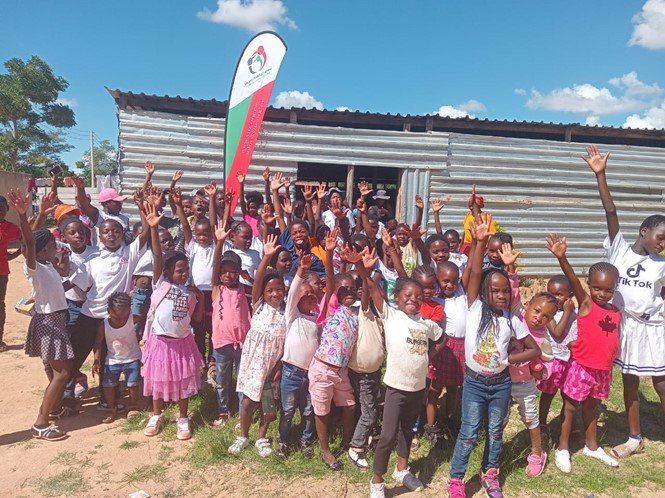
In Viva Network Zimbabwe, parents expressed appreciation for an event that not only entertained children but also promoted positive values, participation, and protection, bringing fresh appreciation about the network and the benefits of collaborative action to local families: "The celebration reinforced the network’s commitment to working together for transformed children and stronger, safer communities, and ended the year on a hopeful, unifying note.”
Network Expansion
The emphasis on working with churches and organisations outside of the networks and inviting children who are ‘unreached’ by the network brings possibilities of expansion. “By opening our doors to share with the neighbouring churches during this Christmas party, seven churches attended with some of their child leaders. They showed interest in the network and network activities for the children, and we will make follow-ups with them to take the next step of becoming members of the network.” – Together for Children, Kenya.
The party organised by the Viva Raunaq Network Dehradun was significant because it was the first to focus exclusively on children with special needs, in partnership with four organisations and one church previously not part of the network. “This event has given us an inroad to working with special needs children and since this was the first time, we can now build a relationship with the Samvedna Centre in order to initiate more programmes with the children.”
Similarly, SCAR Zambia noted that “The party helped to reach new churches, which are not part of the network, and after the party, the Pastors want to become members of the network.”
In Red Viva Costa Rica, the involvement of a new church in searching for Christmas gifts for children led it to join the network and start the Protect course.
At the network-run Christmas party in Patna, Viva India, four new churches participated, and one has started a Sunday school for children.
The Iligan Children’s Ministries Network in the Philippines posted photos in local social media group chats and on Facebook to let other churches know about the network.
And C3DC in the Philippines noted that, “Through the event, a clear message was conveyed to churches that are not yet members of the network—that the organisation is committed to creating safe, joyful, and meaningful spaces for children. This positive witness opened opportunities for dialogue and potential partnership with other churches in the area.”
New Networks
Just as there are many ways in which connectedness happens within the existing network framework, Christmas parties can also help new networks form, as churches and organisations outside the network see the impact of such collaborative projects. This could potentially lead to new networks forming in new cities, particularly for churches within a specific denomination or with branches in multiple places. As we look back over the last 30 years since Viva started this year, we are also looking forward to bringing new networks into the Viva family this year, and inviting them to unite churches and organisations together to run a joint Christmas party could be a simple yet effective way to help a new network get started.
As such, the outward-facing nature of Christmas parties helps build awareness of Viva and the network, which could lead to network opportunities in that city and in new cities - and as churches and organisations see the benefit of working together, more children will have more opportunities, leading to greater impact.